New Grant Brings Indigenous Knowledge to the Core of a DU Education
The University of Denver (DU) has received a $500,000 Mellon Foundation grant to integrate Indigenous knowledge, languages, and ways of knowing into its core curriculum. This three-year grant supports a transformative model for higher education, ensuring that Indigenous perspectives are no longer treated as peripheral but as central to the higher education experience.
A History of Responsibility
DU’s commitment to this work is rooted in its complex history. The University occupies land that belongs to the Cheyenne and Arapaho tribes, many of whom were killed in the Sand Creek Massacre, a tragic act of violence and injustice against Colorado’s Indigenous peoples that led to the dispossession of the Cheyenne and Arapaho nations. Colorado Governor John Evans, who founded DU in 1864, was culpable for the political decisions that led to the massacre. DU has long carried a responsibility to reckon with its past. The 2014 John Evans Report, authored by DU faculty, underscored this obligation and called for meaningful partnerships with Indigenous communities.
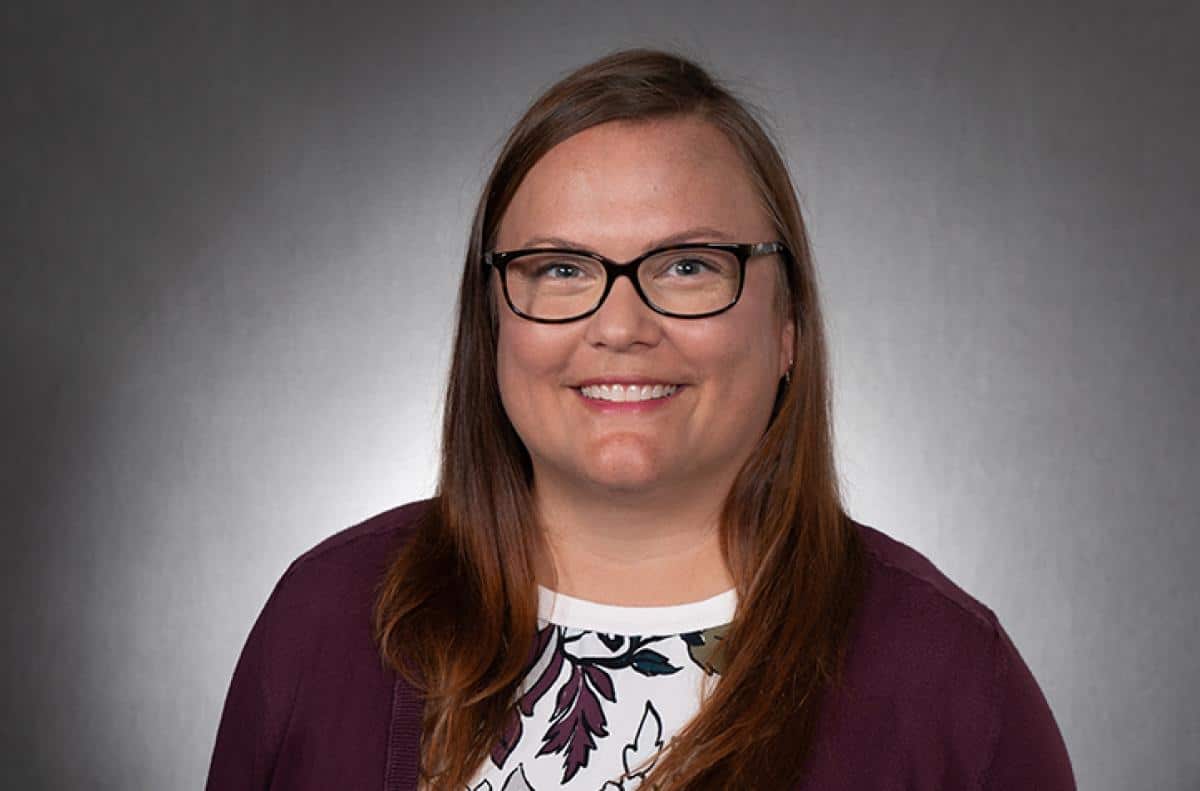
For Assistant Professor of Anthropology Kelly Fayard, this was a call to action. With generous support from former Provost Mary Clark, Fayard spent years building relationships with tribal communities. She undertook this foundational work alongside Associate Professor of History Angela Parker. Although Parker will leave DU this summer, she will remain involved as a consultant on the grant.
The team traveled extensively, consulting with Southern Cheyenne and Arapaho tribes in Oklahoma, the Ute Mountain and the Southern Ute Reservations in Colorado, the Northern Arapaho on the Wind River Reservation in Wyoming, and the Northern Cheyenne Reservation in Montana. Through these visits, they engaged deeply with language activists, tribal educators, and community members, listening to their needs. Those conversations underscored the importance of language revitalization, genuine consultation, and the need to see Native histories reflected in classrooms and coursework. The trust built during this process formed the foundation for the Mellon-funded project.
Mellon Foundation Support
The Mellon Foundation’s focus on structural transformation in the humanities and on building durable, sustainable systems made the proposal a natural fit. Fayard’s expertise in Native and Indigenous studies, community-engaged scholarship, and institutional change, combined with the relationships built with tribal communities, uniquely positioned her to lead the work.
“Indigenous knowledge has historically been treated as elective,” says Fayard. “With this project, we are weaving it into the core of the DU education, giving students access to perspectives that have been marginalized for far too long.”
Core Initiatives for Lasting Institutional Change
Rather than creating a single program or department, each initiative was designed to reshape how knowledge flows through the University itself. The grant supports three interlocking efforts, each designed to create lasting institutional change.
Native and Indigenous Studies Programs: A new Native and Indigenous Studies minor and a specialized graduate certificate will provide structured, degree-bearing pathways for students to explore Indigenous history, sovereignty, and culture. Drawing on existing cross-listed courses in anthropology, education, social work, history, and English, the program is designed to launch quickly and grow. Coursework will include visits to tribal cultural sites and direct collaboration with tribal partners.
Indigenous Pedagogy Collaborative: Faculty from across disciplines will engage in a sustained, yearlong mentorship with Indigenous elders, scholars, and pedagogical experts. Together, they will co-create or redesign Common Curriculum courses that integrate Indigenous ways of knowing across the University.
Living Words Project: In a groundbreaking move, the Mellon grant will enable the ability to offer languages to fulfill DU language requirements. For Native students especially, this distinction matters. “We just have to learn another colonial language,” as Parker recalls hearing from students. In addition, plans are underway to establish partnerships with other institutions that would enable their students to potentially earn degree credit studying Arapaho, Cheyenne, and Ute languages with tribal experts through DU.
“Our motivation comes from working closely with the communities affected by Sand Creek, as well as the current tribes in Colorado,” says Fayard. “This is about making sure that DU is doing something to reckon with that history.”
Fostering Reciprocity
What sets this initiative apart is its commitment to authentic partnership. Tribal nations don’t advise from the sidelines — they lead. Nothing moves forward without the relevant tribal partner’s explicit approval. Elders and scholars help shape the curriculum, guide course development, and are compensated at a rate that reflects the true value of their expertise.
This is a deliberate departure from how higher education has historically engaged with Indigenous communities. “We are the only institution that has done tribal engagement and consultation before the grant was even in play,” says Fayard. “It’s really hard to go out to these very diverse communities and do it in a way that is both systematic and relational, where the need for reciprocity from DU is clear.”
Expected Outcomes and Long-Term Impact
By the end of the grant period, Fayard expects to launch at least nine new or redesigned Common Curriculum courses, establish an active Native and Indigenous Studies minor and certificate, and formalize language partnerships with at least three tribal or peer institutions. These efforts will provide every DU student with exposure to Indigenous ways of knowing as a foundational part of their education, whether they study business, engineering, biology, or political science.
Dean Sahara Byrne of the College of Arts, Humanities, and Social Sciences was so invested in the proposal that she was already providing grant feedback before officially starting her new role at DU this past fall. “Kelly has built something that will shape how DU understands itself and its place in this community for years to come,” she says.
Fayard hopes the initiative will serve as a model for other institutions to replicate, reshaping how higher education engages with Indigenous communities.
“This is The Denver Difference at its most powerful: philanthropic investment meeting faculty vision, community trust, and institutional commitment to do something that, in American higher education, simply hasn’t been done before,” says Byrne.
The work is underway. To support Fayard’s research and scholarship on Native and Indigenous studies, contact Executive Director of Development & Alumni Engagement Jennifer Garner at Jennifer.Garner@du.edu or 303-871-7467.
